

Do Siding Right the First Time. Add FullbackV Siding Insulation.
Achieve lasting beauty, increase durability, and reduce energy use.
More than aesthetics
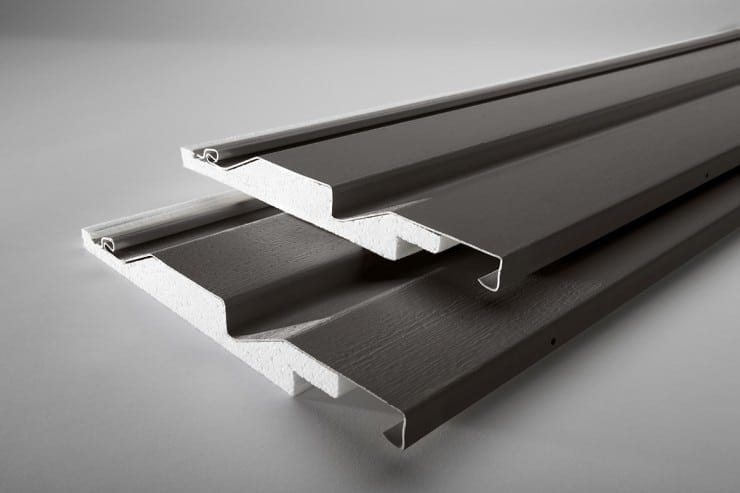
FullbackV protects more than just the appearance of vinyl siding.
Save Energy and Create a
More Comfortable Home
FullbackV adds an r-value of 2.0 - 3.5 to the siding, helping to save energy, reduce utility bills, and create a more comfortable home all year long! Adding insulation to the exterior of a home also helps dampen sounds from outside for a more enjoyable interior.
Protect Against Impact Damage and Pests
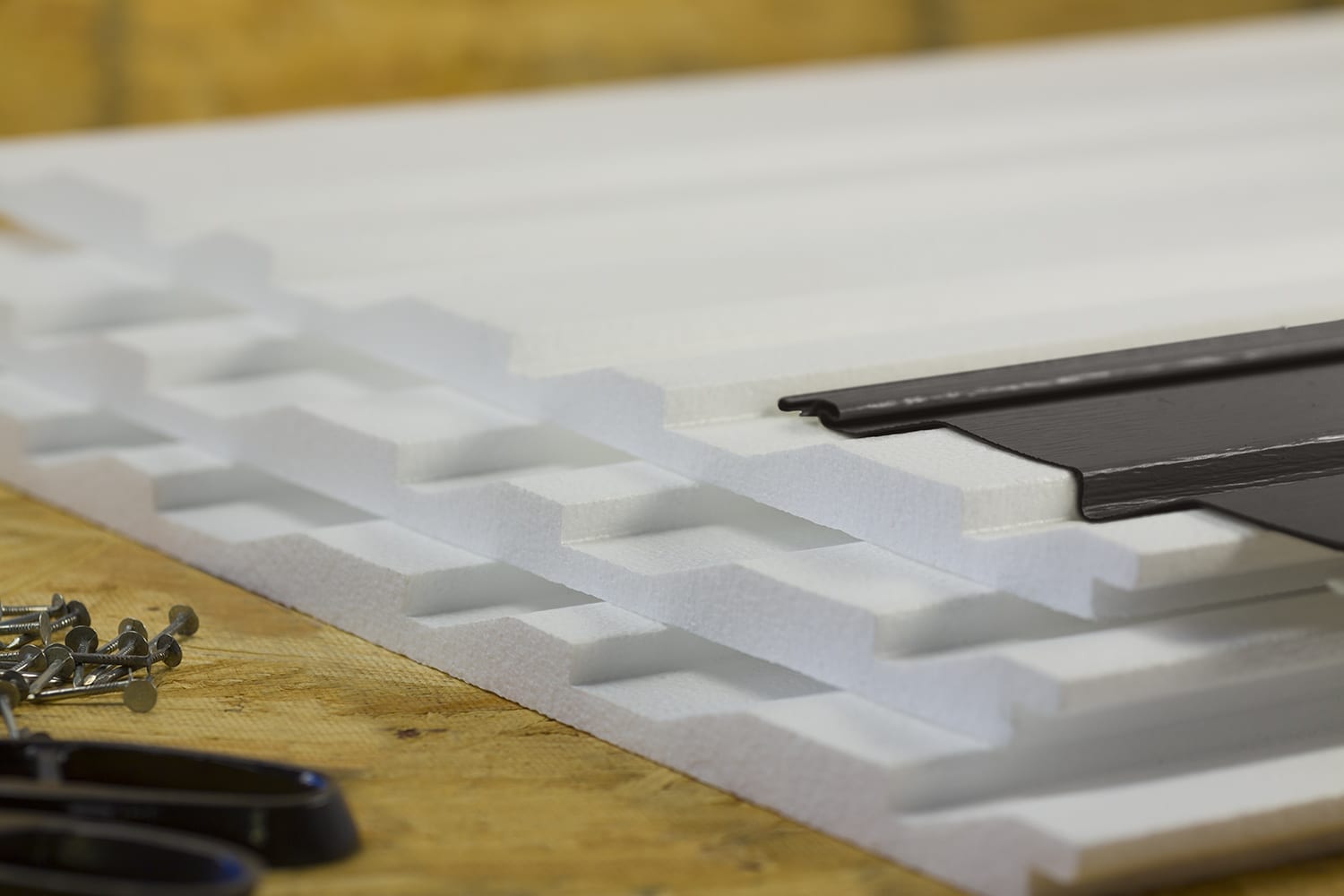
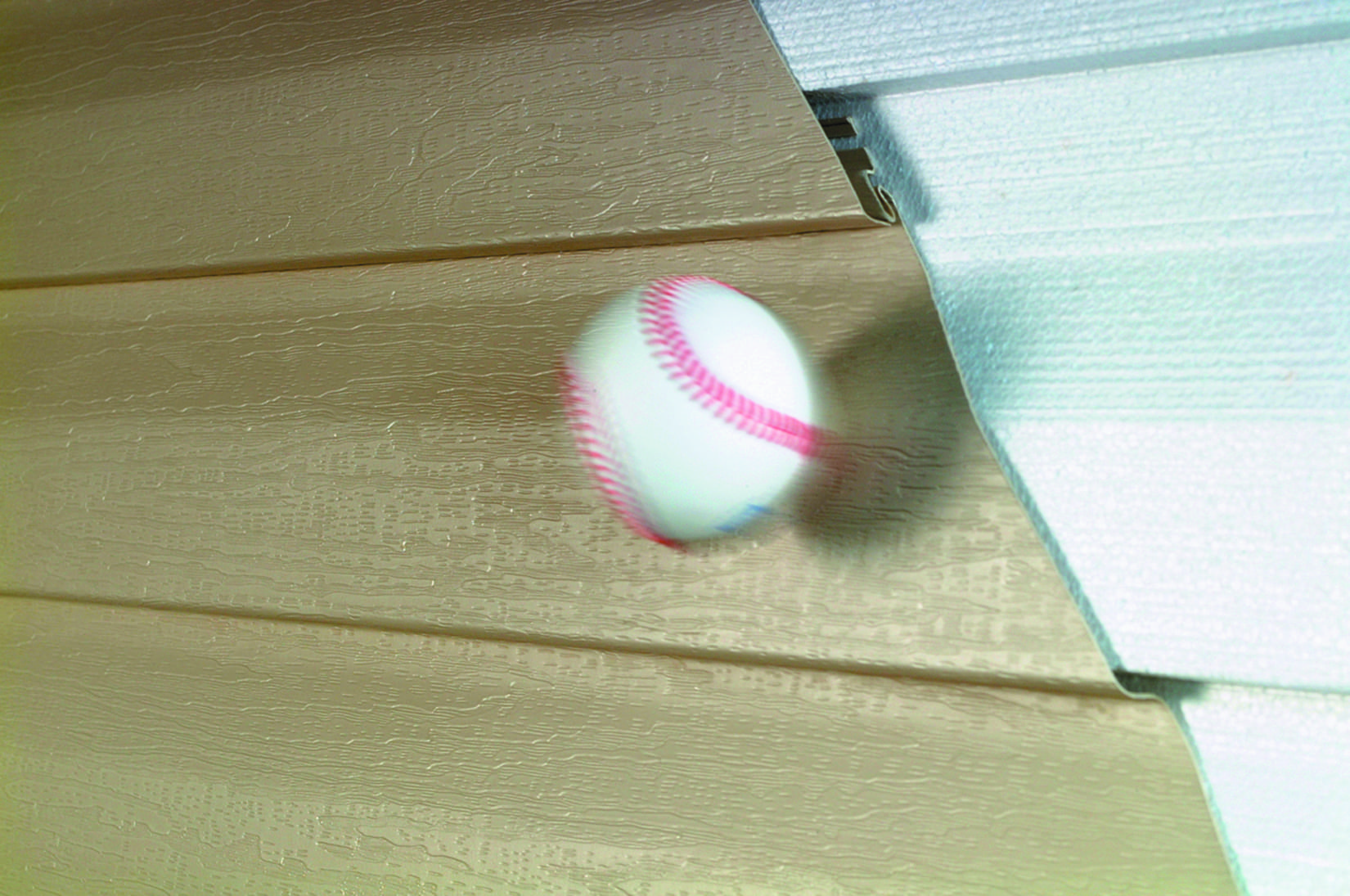
The contoured shape of FullbackV completely fills the gap behind the siding, serving as a shock absorber to protect vinyl siding against cracking, denting, and breakage. Filling the gap eliminates space where pests can nest behind the siding, and Fullback is also treated with a safe insecticide to protect it from termites.
Take Control Of Moisture, Prevent Mold & Mildew
An average household produces 4-6 gallons of water vapor daily through activities like cooking & cleaning. FullbackV features a perm rating of up to 5.0, allowing moisture to escape the home. This reduces the chance of mold and mildew growth, creating a healthier home and longer lasting siding job.
Interested in Even MORE Energy Savings?
Take energy savings to the next level with Neopor
FullbackV siding insulation is available in both white expanded polystyrene (EPS) and graphite-enhanced Neopor.
Neopor provides up to 20% more insulating value than standard EPS, allowing for more energy savings with the same amount of material. Learn more about Neopor
Testimonials
Specifications & Downloads
Downloads
FullbackV Original Brochure (full) (pdf 1.86 MB)
FullbackV Original Brochure (small) (pdf 1.39 MB)
FBV Premium Brochure (full) (pdf 2.25 MB)
FullbackV Premium Brochure (small) (pdf 1.76 MB)
FullbackV Accessories (pdf 0.26 MB)
FullbackV Install Instructions (pdf 0.98 MB)
FBV Premium Data Sheet (pdf 0.11 MB)
FBV Original Data Sheet (pdf 0.08 MB)
Stories about Fullback V
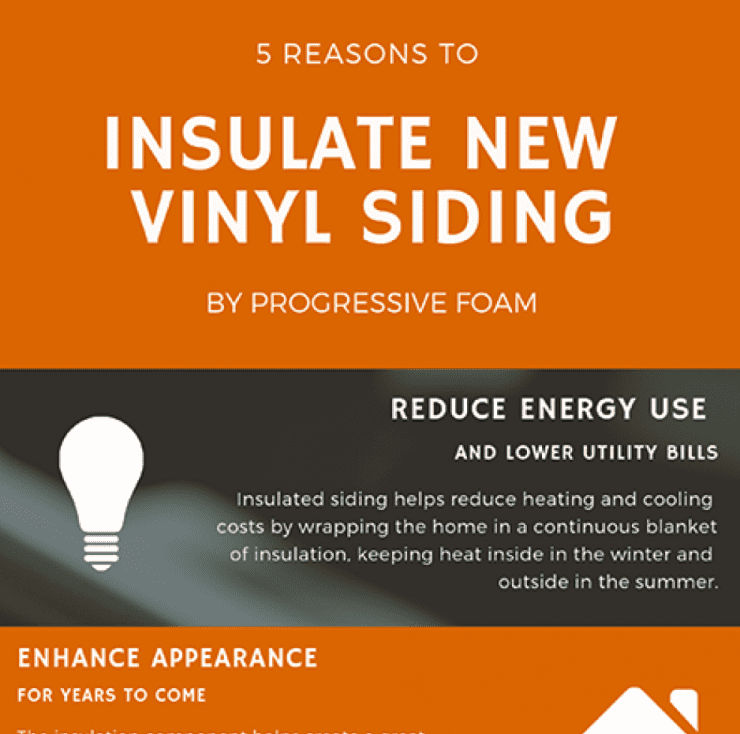
Posted on within 5 Reason You Should Insulate New Vinyl Siding There is no better time to add insulation to the walls of an existing home than when new siding is installed. Walls account for 35% of energy loss in a home, more than any other component, including the roof, windows, and doors. This makes […]
Although vinyl siding has been around for decades, that doesn’t mean it’s “old” technology. In fact, vinyl siding with?Fullback?V?insulation from?Progressive Foam?provides industry-leading performance characteristics that make it a cutting-edge contender. Vinyl siding with FullbackV is an excellent choice for applications where energy efficiency, durability, and low maintenance are priorities: – With an r-value of 2.0 […]
Updated LCA Report Proves Vinyl Siding Is Still One of the Most Environmentally-Friendly Siding Products A recent life cycle assessment (LCA) released by the Vinyl Siding Institute (VSI) confirms that vinyl still ranks as one of the most environmentally friendly exterior claddings. The full LCA report (found here), extensively covers the impact that siding products […]